
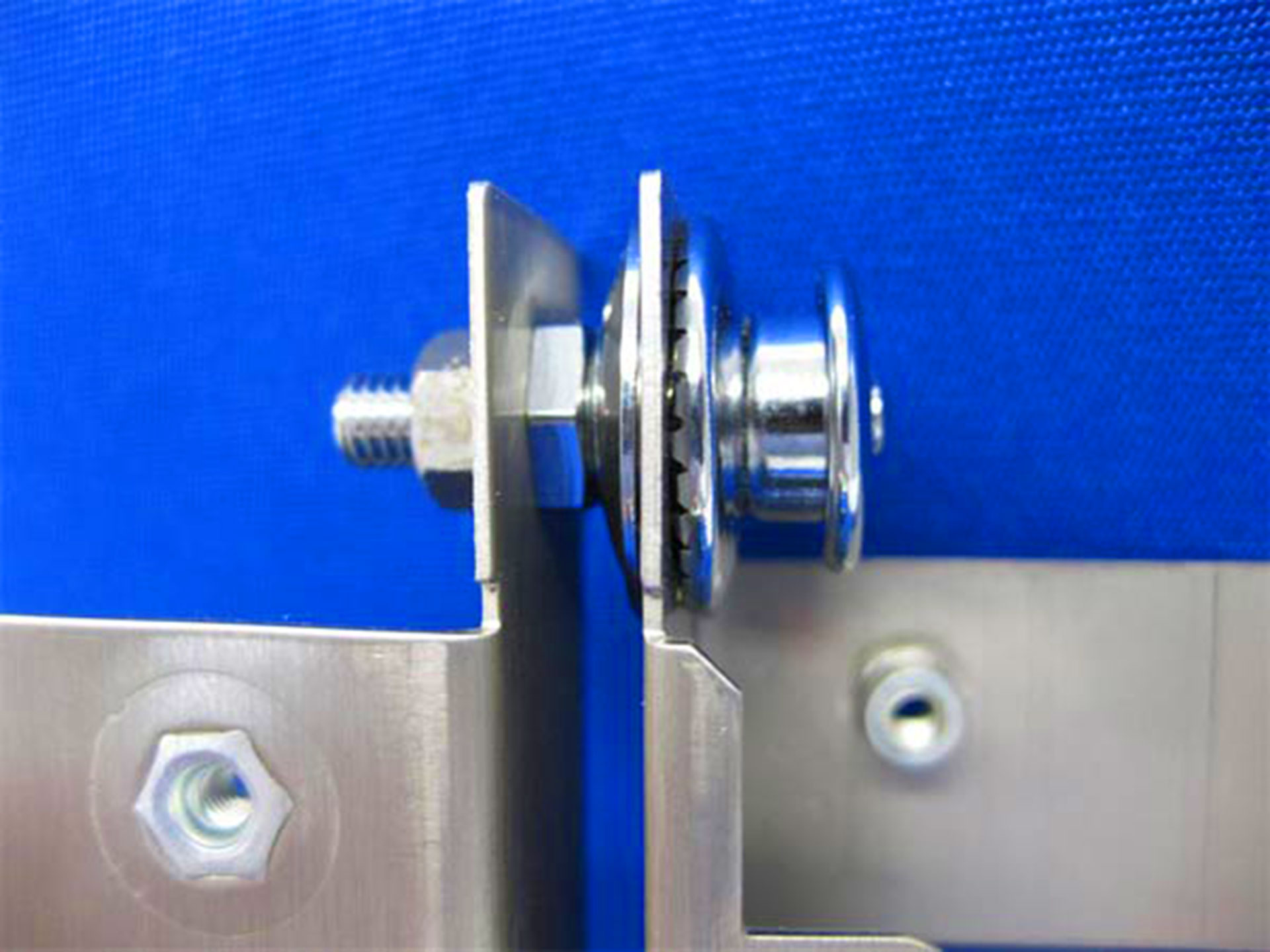
26 Jun High Performance Fasteners: The Tiny Titans Holding Our World Together
Picture this: a Formula 1 car screaming around a corner at 200 mph, a wind turbine blade slicing through gale-force winds, or a surgical robot performing micro-precise movements. What’s holding it all together? Tiny, unsung heroes called high performance fasteners. These aren’t your average hardware-store bolts. They’re engineered marvels designed to survive conditions that would shred ordinary fasteners into scrap metal.
Whether you’re an engineer specifying components for aerospace applications or a fabricator building something that simply can’t fail, understanding these specialized fasteners is non-negotiable.
What are high performance fasteners?
High performance fasteners are precision-engineered bolts, screws, and nuts manufactured from premium alloys like titanium, Inconel, or A286 stainless. They withstand extreme temperatures, corrosion, vibration, and tensile loads far beyond standard hardware. Common in aerospace, motorsport, defense, and energy sectors, they meet rigorous certifications such as AS9100, NAS, and MS specifications.
Why Standard Fasteners Just Don’t Cut It
Imagine bolting an engine block together with bolts you grabbed off a shelf at the local home improvement store. The first time that engine hits redline, those fasteners would stretch, fatigue, and possibly snap. Standard hardware is fine for shelves and fence posts. It’s a disaster waiting to happen in critical applications.
High performance versions exist because failure isn’t an option. A single compromised bolt in a jet turbine can ground an entire fleet. A weak fastener in a race car suspension can end a career. The stakes demand better.
Key Differences at a Glance
- Material grade: Aerospace-grade alloys versus commodity steel
- Tensile strength: Often 180,000 to 260,000 PSI compared to 60,000 PSI for standard hardware
- Tolerances: Manufactured to thousandths of an inch precision
- Traceability: Full material certs and batch tracking
- Testing: Each lot is independently verified for hardness, composition, and load capacity
The Materials That Make the Magic Happen
Material selection is everything. Pick the wrong alloy and you’ve engineered a beautiful failure. Here’s a quick rundown of the most common metals you’ll encounter in this space.
Titanium
Lightweight, corrosion-proof, and stronger than steel pound-for-pound. The darling of aerospace and motorsport engineers.
Inconel
A nickel-chromium superalloy that laughs at extreme heat. Found in turbine engines and exhaust systems.
A286 Stainless
Iron-nickel-chromium superalloy with phenomenal strength retention at elevated temperatures.
Hastelloy
Ultimate corrosion resistance for chemical processing, marine, and harsh industrial environments.
Industries That Depend on High Performance Fasteners
You’ll find these specialized components quietly doing their jobs everywhere precision and reliability matter most. The list is longer than you’d think.
- Aerospace and defense: Aircraft structures, missile systems, spacecraft
- Motorsport: F1, NASCAR, IndyCar, World Rally
- Medical devices: Implants, surgical robotics, imaging equipment
- Energy sector: Wind turbines, nuclear facilities, oil and gas drilling
- Marine: Submarines, offshore platforms, racing yachts
- Performance automotive: Engine internals, suspension, drivetrain
How to Choose the Right Fastener for Your Application
Selecting the correct fastener feels overwhelming at first. Break it down into a checklist and the process becomes manageable. Start with the environment, then work toward the load case.
Critical Selection Factors
- Operating temperature range: Cryogenic? Ambient? Red-hot?
- Corrosive exposure: Saltwater, chemicals, atmospheric moisture
- Load type: Static tensile, dynamic shear, fatigue cycling
- Vibration profile: Steady, intermittent, or shock loading
- Galvanic compatibility: Matching base material to prevent corrosion
- Sizing requirements: Thread pitch, length, head style, drive type
Speaking of sizing, getting dimensions right is half the battle. Whether you’re working in imperial or metric, having a reliable reference for standard screw sizes can save hours of frustration during the design phase and prevent costly procurement mistakes down the line.
Coatings and Finishes That Boost Performance
The base alloy is only part of the story. Surface treatments dramatically affect how a fastener behaves in service. The right coating can extend service life by decades.
- Cadmium plating: Classic aerospace finish offering corrosion protection and lubricity
- Xylan and Teflon coatings: Reduce friction and prevent galling
- Zinc-nickel: Modern eco-friendly alternative to cadmium
- Black oxide: Cosmetic and mild corrosion resistance
- Passivation: Enhances natural oxide layer on stainless steels
Installation Matters More Than You Think
Here’s a hard truth: a perfectly engineered fastener installed incorrectly is no better than a cheap bolt. Torque specifications exist for a reason, and they’re not suggestions.
Using a calibrated torque wrench, applying the correct lubricant, and following the proper tightening sequence are absolutely essential. Many high-stakes assemblies require stretch measurement or ultrasonic load verification instead of torque alone. The investment in proper installation tools pays for itself the first time you avoid a catastrophic failure.
Frequently Asked Questions
What makes a fastener “high performance”?
It comes down to material quality, manufacturing precision, and certification. High performance fasteners use aerospace-grade alloys, are made to extremely tight tolerances, and carry full traceability documentation proving they meet stringent industry specifications.
Are titanium fasteners always the best choice?
Not necessarily. Titanium excels where weight savings and corrosion resistance matter, but it’s expensive and not ideal for very high-temperature applications. Inconel or A286 might serve you better in hot environments like exhaust systems or turbine assemblies.
Can I use high performance fasteners in everyday projects?
You absolutely can, but it’s overkill for most applications. They cost significantly more than standard hardware. Reserve them for situations where failure has serious consequences or where weight, corrosion, or extreme conditions are concerns.
How do I know if a fastener is genuine?
Always buy from authorized distributors who provide material certifications and lot traceability. Counterfeit aerospace fasteners are a real problem and have caused fatal accidents. If the price seems too good to be true, it probably is.
What’s the difference between grade 8 bolts and aerospace fasteners?
Grade 8 bolts are strong commercial hardware, typically rated around 150,000 PSI tensile. Aerospace fasteners often exceed 220,000 PSI, are made from more sophisticated alloys, undergo individual testing, and meet far stricter dimensional and metallurgical standards.
The Bottom Line
High performance fasteners represent the quiet excellence behind some of humanity’s most impressive engineering achievements. From the bolts holding a satellite together in orbit to the studs clamping a race engine’s cylinder head, these components do their jobs without fanfare or recognition.
Choosing the right fastener requires understanding your environment, loads, materials, and installation requirements. Don’t skimp on quality where failure isn’t an option, but don’t waste money on aerospace hardware for a backyard project either. Match the fastener to the mission, source from reputable suppliers, and respect the installation procedures. Get those three things right and you’ll never lose sleep over what’s holding your project together.
Sorry, the comment form is closed at this time.