
21 Apr The Role of Fasteners in Structural Integrity and Safety
Fasteners rarely get attention. They’re small, often hidden, and easy to overlook. Yet they carry a quiet responsibility. They hold systems together, distribute loads, and maintain stability under pressure.
When they fail, everything around them is affected.
Load Distribution and Structural Stability
Fasteners do more than connect parts. They transfer force. Every load applied to a structure moves through its connection points. If those points are weak or uneven, stress builds in the wrong places. Over time, this leads to deformation, cracking, or complete failure.
Properly selected fasteners help distribute weight evenly. They reduce localized stress and allow structures to behave as intended. This is especially important in applications where movement, vibration, or shifting loads are present.
Material Strength and Environmental Resistance
The strength of a fastener is tied directly to its material. But strength alone is not enough. Environmental resistance plays just as important a role.
Exposure to moisture, heat, or chemicals can weaken materials over time. Corrosion, in particular, reduces load-bearing capacity and can lead to sudden failure.
Reliable fasteners are built to handle both mechanical stress and environmental exposure. They maintain their integrity even when conditions are less than ideal.
The Impact of Installation and Fit
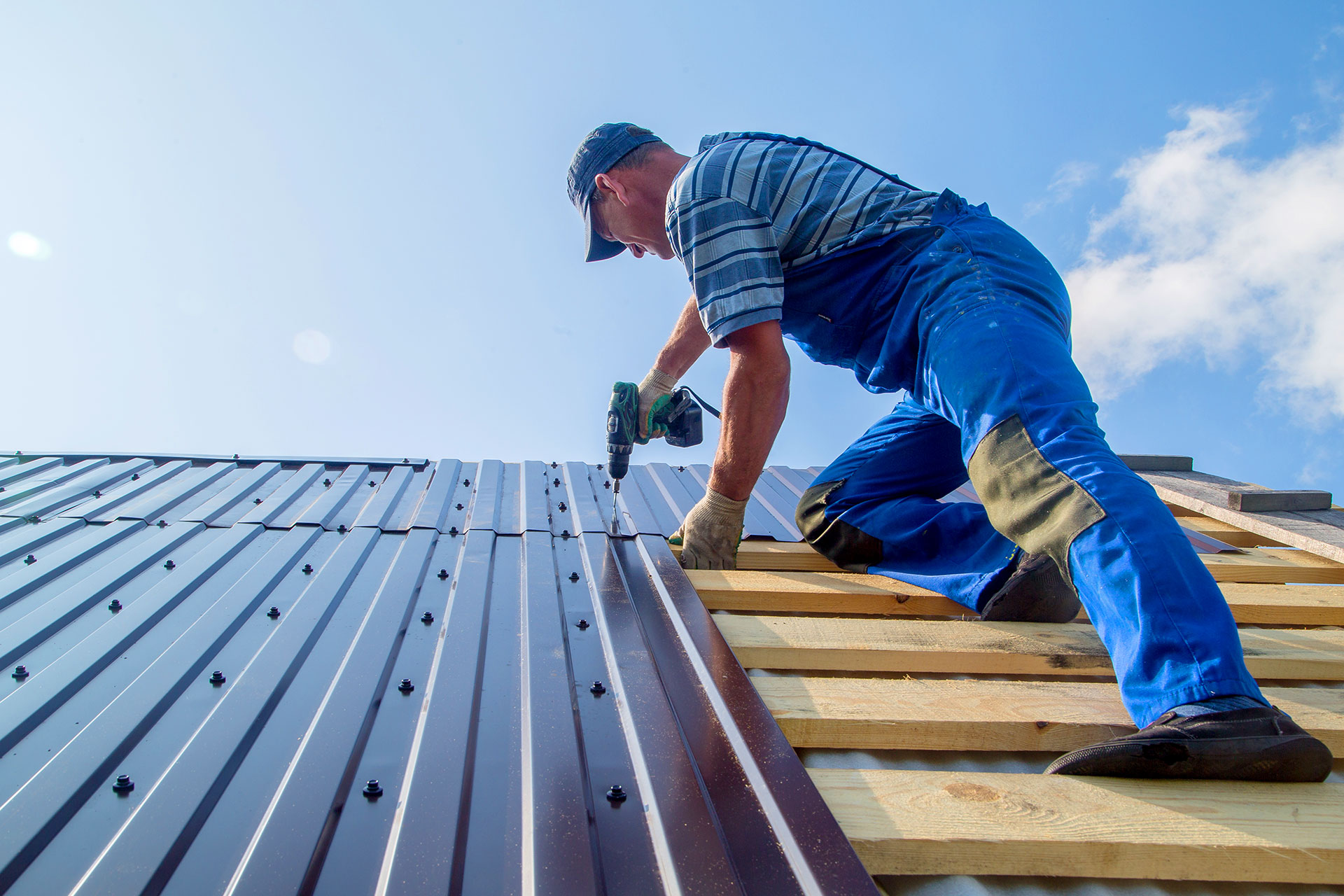
Even the best fastener can fail if it is installed incorrectly. Improper torque, misalignment, or poor fit can compromise the connection. This creates gaps, uneven pressure, and points of weakness that grow over time.
Attention to installation ensures that fasteners perform as designed. A secure fit allows for proper load transfer and reduces the risk of loosening or fatigue.
Common issues that affect performance include:
- Over-tightening, which can damage threads or materials
- Under-tightening, which allows movement and instability
- Misalignment, leading to uneven stress distribution
Avoiding these issues helps preserve both the fastener and the structure it supports.
Long-Term Safety and System Reliability
Structural integrity is not just about initial strength. It is about maintaining that strength over time. Fasteners that loosen, corrode, or wear down introduce risk gradually. The structure may appear stable until a critical point is reached.
Consistent performance is what supports long-term safety. When fasteners hold as expected, systems remain secure and predictable. That reliability often goes unnoticed. But it is essential.
Sorry, the comment form is closed at this time.